
A drying strategy for every season
Spring showers, summer heat, autumn wind and frosty winter mornings each dry washing differently. Here is how to play each one.
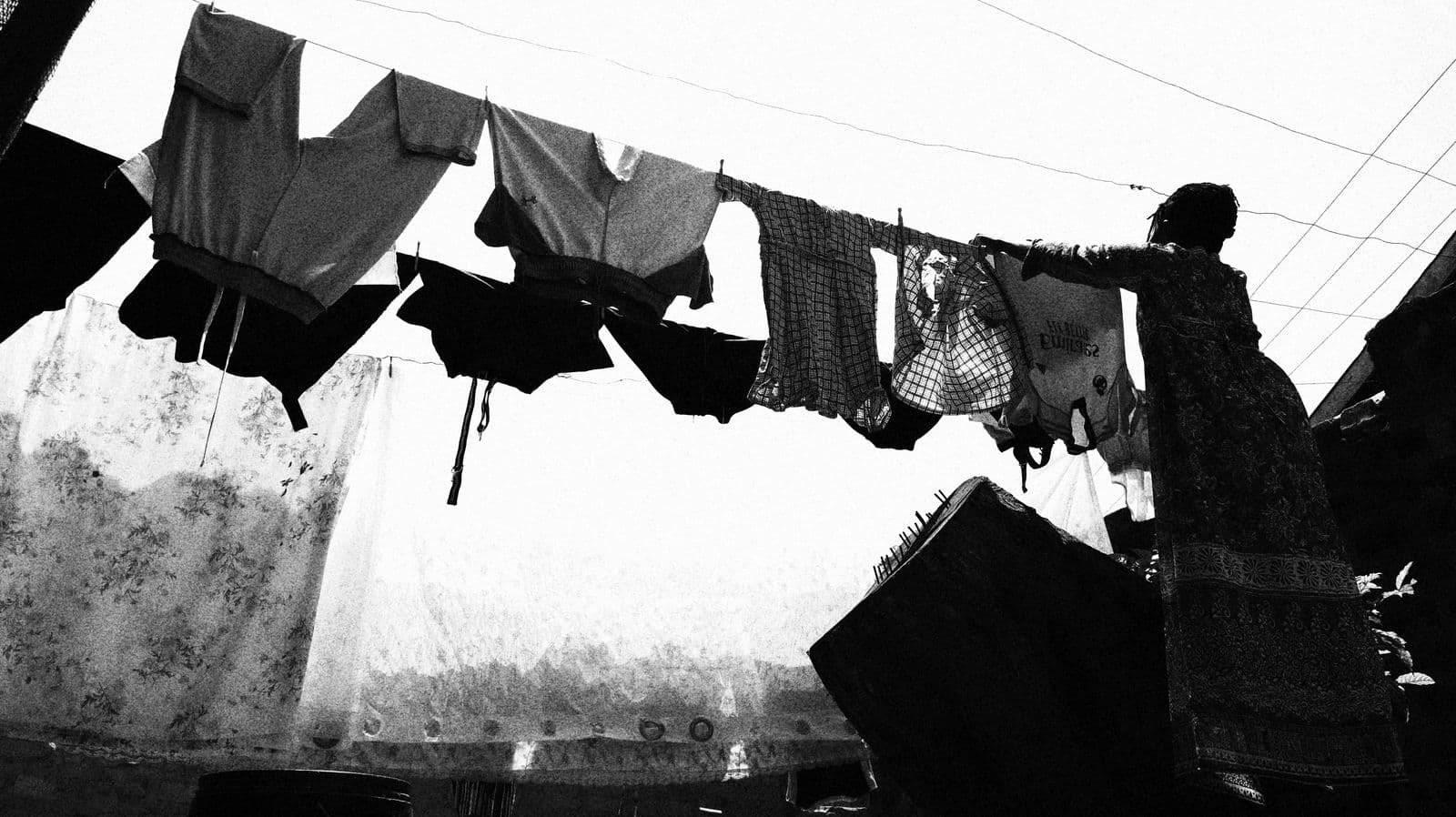
The same washing line does four completely different jobs across a year. In April it's a race against a cloud you can already see coming over the rooftops. In July it's dry before you've finished pegging the second row. In October it snaps in a cold wind like bunting. And in January it comes in stiff as cardboard and, oddly, nearly dry. One line, one household, four sets of rules. The trick is knowing which set you're playing by the moment you step out the back door.
Weather doesn't just shift across the seasons; it changes what a good drying day even looks like. Here's how each one behaves, and how to get the most washing off the line before it turns.
Spring: catch the bright gaps
Spring is all timing. Weather fronts march through one after another, so instead of long settled days you get bright, blowy gaps between the showers. The good news is that the breeze after rain is genuinely brilliant drying air: cool, moving and thirsty. The catch is that your window might only be three or four hours before the next band rolls in.
So play it fast. Get the load washed the night before, or first thing, so it's ready to peg out the moment a bright gap opens rather than an hour after it's gone. Watch the sky to the west. That's where the next shower is coming from. Prioritise thin things that can dry inside one window: shirts, tea towels, kids' clothes. Leave the towels and jeans for a longer, settled slot. And keep an airer parked by the back door so you can rescue a whole line in ninety seconds when a shower sneaks up on you.
Summer: fast, but mind what else is in the air
Summer does most of the work for you. A warm, breezy July afternoon can have a full load bone dry in a couple of hours, no fuss. The things to watch aren't about speed. They're about what else the warm air is carrying.
First, pollen. High grass-pollen days settle into cotton on the line and greet hay-fever sufferers at bedtime. On peak days, bring washing in before the evening count climbs, or dry it indoors. Second, thunderstorms. Heat builds them: a still, muggy afternoon that feels a bit too hot can end in a downpour by five, so don't peg out and head off to the shops on blind trust.
And bright summer sun fades colours. Strong light is hard on reds, navies and anything dark or delicate, so turn coloured items inside out or hang them in bright shade. Whites are the exception. Sunlight gently bleaches them brighter, so give those the sunniest spot on the line.
Summer sun dries fast and fades hard: whites out in the light, colours inside out or in the shade.
Autumn: the season people wrongly write off
Autumn is underrated and it shouldn't be. A crisp, windy October day (low humidity, a proper breeze, cool but bright) is some of the best drying weather of the entire year. The air is dry and hungry, and the wind does the heavy lifting it always does, grey skies or not.
The one thing working against you is daylight. The sun sits lower and the day is shorter, so the effective drying window closes earlier than it feels like it should. Peg out first thing, not after lunch. By four o'clock the light is fading, the temperature drops, and damp starts creeping back into anything still hanging. Get it out early, get it in by mid-afternoon, and autumn will pay you back handsomely.
Every season hides good drying days
Washcast reads each day the season's way: the bright gap in a showery spring, the crisp window in autumn, the cold dry breeze in January, and hands you one verdict plus a drying window for every fabric. Rain and frost aware, no account needed.


Winter: yes, you really can
The washing line doesn't close in November. What you need is a cold, dry, breezy day, and those turn up far more often than people assume. Cold air holds very little moisture, so on a bright winter day with a wind behind it, the air is remarkably thirsty. A load won't dry as fast as it would in July, but it will dry.
There's even a bonus trick on the coldest days. When there's a hard frost, washing freezes stiff and then freeze-dries. The ice turns straight to vapour and lifts the moisture out, so a line left out overnight can come in surprisingly dry, if board-stiff for a minute. Bring it somewhere warm to soften and finish, and it's done.
What to avoid in winter is the damp, still, grey day: high humidity, no wind, air already brimming with water. Nothing dries on days like that. You'll only re-wet the load. Pick the cold bright days over the mild murky ones every time.
Reading the year
None of this is complicated once you stop treating the line as a fair-weather, summer-only tool. Spring rewards quick reactions, summer rewards early starts and a bit of shade, autumn rewards getting out first thing, and winter rewards picking the cold bright days over the damp grey ones. Same pegs, same line. You're just reading the season it happens to be in, and moving with it.
Keep reading

Skip the guesswork
Washcast turns today's forecast into one clear verdict and a drying window for every fabric.